
What Color and Clarity Diamond Should I Buy? Expert Guide


For most engagement rings, G–H color and VS2–SI1 clarity deliver the best value. They’re bright, eye-clean, and beautiful without overspending. Cut matters most, and clarity is often overhyped, you don’t need perfection to get a diamond that stuns.
What you need to know upfront:
- Cut matters most, it drives sparkle more than color or clarity.
- Sweet spot for value is usually G–I color and VS2–SI1 clarity.
- Go higher for step cuts, big stones (2ct+), or icy-white looks in platinum.
- Go lower in warm gold settings or when brilliance masks small flaws.
- Focus on eye-clean, not grade-clean, what you see matters more than the lab report.
- Don’t overpay for perfection you can’t see. Spend where it counts.
At Mikado Diamonds, we’ve helped thousands of couples cut through the noise and choose diamonds that look amazing in real life, not just on paper. No upsell. No gimmicks. Just expert advice and side-by-side comparison to help you buy with confidence.
Keep reading to learn how to navigate color and clarity like a pro, and why the smartest choice usually isn’t the “highest grade.”
Color vs. Clarity – Which Matters More?

When people come to me with a budget, their first instinct is often to max out both color and clarity. I get it, those are the “grades” printed in bold on every certificate. But here’s the thing: one of those grades affects what you see right away… and the other often doesn’t.
Let’s break it down.
Color Affects What You See First
Color is one of the most immediately visible aspects of a diamond, especially if you’re looking at it in natural light or set against a white metal like platinum or white gold. The color scale runs from D (completely colorless) all the way down to Z (noticeably yellow or brown).
But here’s what most people don’t realize: you don’t need a D or E to get a diamond that looks white.
In most settings, a G or H color diamond will appear bright and colorless to the naked eye, without the premium price tag that comes with D–F grades. And if you’re going with a yellow or rose gold setting, you can even drop into the I–J range without anyone noticing. In fact, the warmer undertone can add a vintage or romantic feel that many people love.
Pro tip: The larger the diamond, the more visible the color. If you’re going big (2 carats or more), you might want to stay at H or above, unless you're using a warm-toned setting that helps mask the tint.
Clarity Sounds Impressive, But…
Clarity is where things get murky, literally and figuratively.
The clarity scale goes from Flawless (FL) all the way down to Included (I3). These grades are assigned under 10x magnification, which is great for lab reports but not super helpful when you're, say, looking at your ring in real life.
Here’s the truth: Most inclusions are microscopic. A well-cut SI1 or even a clean SI2 can look indistinguishable from a VS1 to the naked eye.
That’s why I always tell clients to focus on “eye-clean,” not grade-clean. An “eye-clean” diamond has no visible inclusions when viewed without magnification. That’s what matters when you’re proposing, or when your partner is showing off the ring to their friends and family.
And yes, I’ve heard the question a hundred times:
“They say it’s a VS2, but what does that even mean to someone not trained?”
It means very little on its own. That’s why we personally inspect every diamond we sell. Two VS2s can look completely different depending on where the inclusions are, what type they are, and how they interact with the stone’s light performance.
In short: don’t overpay for a high clarity grade if you can’t see the difference. You’ll get far more wow-factor by investing in cut and carat, and letting us help you find an eye-clean diamond in that VS2–SI1 range.
The Sweet Spot: Where Beauty Meets Budget

Most of my clients come in with one goal: find the most beautiful diamond they can afford, without overspending on things that don’t actually matter. And after 15+ years helping people choose stones, I can confidently say the magic formula lies in the sweet spot.
Best Value Ranges Most People Choose
If you want your diamond to look stunning without draining your wallet, you’re usually safe sticking to:
- Color: G to I
- Clarity: VS2 to SI1
This combo consistently delivers diamonds that are bright, eye-clean, and full of life, without the premium price tags attached to “perfect” grades.
Now I know what you’re thinking:
“Will people notice if I went with an I color or SI2 clarity?”
In most cases? Not a chance. Especially if the diamond is well-cut and inspected by someone who knows what to look for.
Also worth noting: the shape of your diamond plays a big role here. Round brilliants are great at masking both warmth and inclusions due to their intense sparkle.
On the other hand, step cuts like emerald and Asscher are less forgiving; they show everything. If you’re choosing a step cut, you may want to aim higher on clarity.
When You Might Want to Go Higher

There are situations where it makes sense to invest a little more:
- Step-cut shapes (emerald, Asscher): Their large, open facets act like windows. If there’s an inclusion, it’ll show, so VS1 or better may be worth it here.
- Larger stones (2 carats and up): Bigger diamonds reveal more. That faint tint or tiny feather? Way easier to spot at this size.
- Platinum or white gold settings: These metals highlight color, so if you want that crisp, icy-white look, it’s smart to stay at G or better.
And, of course, if your partner has an eye for detail, or if you’re the one who’ll stare at it daily, sometimes that extra peace of mind is worth a slightly higher grade.
When You Can Go Lower (and Still Win)
On the flip side, don’t be afraid to go a bit lower in color or clarity when the setting helps you out.
- Yellow or rose gold settings naturally warm the tone, which means I–J color diamonds can look totally white.
- Well-designed halos or pavé bands often draw the eye with sparkle, making subtle color or clarity differences irrelevant.
- If you prioritize cut and carat, the sparkle alone can outshine a technically “better” stone.
I’ve seen G SI1 diamonds that put D VS1s to shame, because the cut was flawless, and the inclusions were tucked away out of sight.
And if you’re buying a lab-grown diamond, the game changes even more. With lower prices across the board, you can often afford a 3-carat stunner in G SI1 territory, and still come in under budget.
Bottom line? Spend smart, not blindly. The right combination of cut, setting, and shape lets you make room for size and sparkle, without ever feeling like you settled.
Mikado’s Rule of Thumb for Choosing Color & Clarity

Here’s the truth I wish more jewelers would say out loud:
Cut matters more than color. Color matters more than clarity.
In that order.
I know the lab reports highlight all three, but only one of them directly controls how much your diamond sparkles. That’s cut. A poor cut kills brilliance, no matter how “flawless” or “colorless” the diamond is on paper.
At Mikado Diamonds, our priority is helping you pick a stone that looks amazing, not just one that sounds impressive in grading terms.
So if you're wondering where to land, here’s the rule of thumb we use with our clients every day:
-
Color: Stick with G to I
Bright, clean, and white in most settings, without the steep D–F markup. -
Clarity: Aim for VS2 to SI1
Most of these stones are eye-clean, and the right one will save you hundreds or even thousands.
You only need to go higher if:
- You're buying a step-cut shape like an emerald or an Asscher
- You’re choosing a big stone (2ct+)
- You or your partner is particularly detail-focused and prefers icy, crisp visuals
And if you’re ever unsure? That’s where we come in.
Mikado Can Help You Navigate Color & Clarity

Color and clarity can be confusing, but you don’t have to figure it out alone. At Mikado Diamonds, we walk you through the nuances, show you real stones, and explain what actually matters for beauty, value, and longevity.
Book your free consultation today, and let’s find the diamond that looks stunning, fits your budget, and feels just right for your story.
FAQ
No two diamond buyers are the same, but almost everyone I talk to ends up asking some version of these three questions. And they’re good ones. Let’s tackle them head-on.
“Should I go for better color or clarity?”
Short answer: It depends on the shape.
- Ovals, pears, and marquise shapes tend to show more color, so if you're choosing one of those, lean toward a higher color grade (like G–H).
- Emerald and Asscher cuts show inclusions more easily, so clarity matters more here; VS1 or better is often worth it.
- Round brilliants are forgiving across the board. Their intense sparkle masks both warmth and inclusions, which gives you flexibility to focus on other priorities like cut and carat.
“Is it safe to buy SI2 online?”
This is where I urge caution, and where Mikado Diamonds comes in.
SI2 diamonds can be beautiful; some are even eye-clean. But others… not so much. The issue is that SI2 is the point where inclusions can become visible to the naked eye. And it all depends on where they’re located, how big they are, and what type they are.
If you’re shopping online and can’t see clear 360° imagery or don’t have someone reviewing the stone for you, it’s a gamble.
Bottom line? Yes, SI2 can be safe, but only when you’ve got a trusted eye on your side.
Mikado Collection
Hand Crafted Engagement Rings, Loose Natural and Lab-Grown Diamonds and a Fashion Jewelry Collection of Rings, Necklaces, Bracelets, and Earrings.

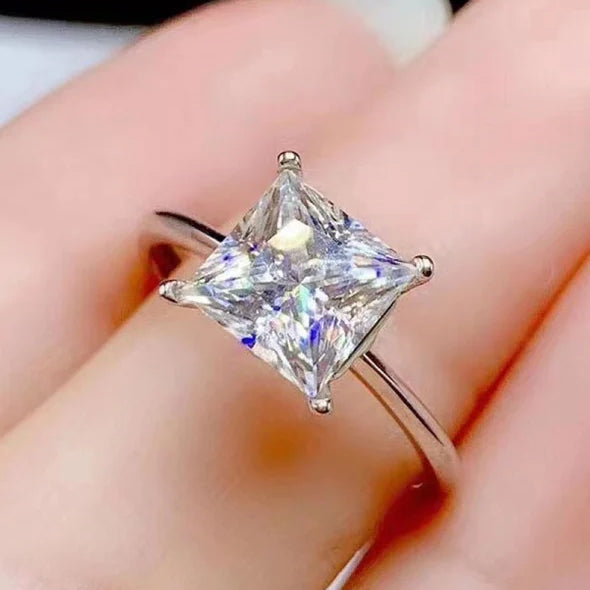
Complete Engagement Rings
Choose a ring with a diamond hand selected by a trained jeweler.

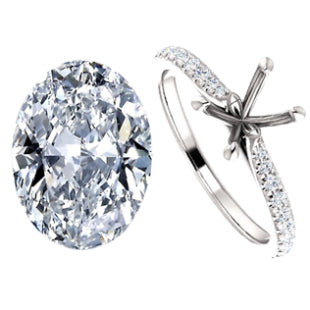

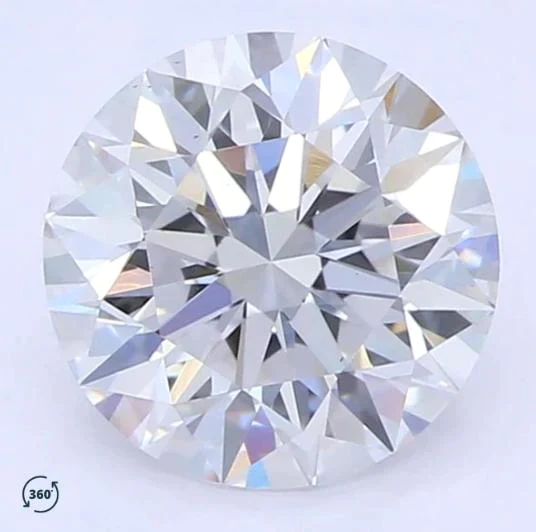
Loose Diamonds
Shop a huge selection of certified natural or lab-grown diamonds. On Sale Now!

Fashion Jewelry
Fashion rings, necklaces, bracelets & earrings. Take your style to a new level.


Comments