
Diamond Buying Guide: How to Choose the Perfect Stone


To buy a diamond, start with the 4 Cs, cut, color, clarity, and carat. Then consider the shape, check for certification, and view the stone in different lighting. Finally, choose a setting that not only protects the stone but enhances its beauty. A trusted expert makes the whole process easier and way less stressful.
At Mikado Diamonds, we’ve helped hundreds of couples cut through the noise and find the diamond that actually fits their style, values, and budget.
Keep reading to learn how to avoid the traps, focus on what matters, and find a diamond you’ll love forever.
Step 1 – Understand the 4Cs (But Don’t Obsess Over Them Equally)

Cut (The Non-Negotiable)
If there’s one thing I could tell every diamond buyer, it’s this: cut is king. I’ve seen plenty of “perfect” diamonds on paper that look lifeless in person, because the cut was mediocre.
A great cut unlocks the fire, brilliance, and sparkle that make a diamond feel alive. It’s not about shape; it’s how the facets are proportioned, angled, and polished to reflect light.
For round diamonds, stick with “Excellent” or “Ideal” cuts. Fancy shapes like oval or emerald? There’s more flexibility, but you still want strong light performance. Always prioritize sparkle over stats.
Quick myth-buster: A larger diamond with a poor cut can look smaller and duller than a smaller, well-cut stone.

Carat (How Big Is Big Enough?)
Carat weight is often the first thing people think about, but it’s one of the most misunderstood. Carat is a measure of weight, not visual size.
Two diamonds with the same carat can look totally different depending on how they’re cut. Depth, table size, and even shape all play a role in how big the stone appears.
Color (The Real “White Diamond” Range)
Diamond color is graded from D (colorless) to Z (light yellow or brown), but here’s what most guides won’t tell you: G through I color diamonds usually look perfectly white, especially once they’re set.
Most of our clients can’t tell the difference between a D and an H unless they’re side-by-side under a microscope. That’s why I often recommend choosing within the G–I range to get the best balance of value and beauty.
And here’s a pro tip: the metal you choose affects how color shows. Yellow gold can make warmer diamonds look whiter, while platinum or white gold might emphasize a diamond’s undertone.
Clarity (Read This Before Paying for VVS1)
Clarity refers to tiny imperfections, called inclusions, inside or on the surface of a diamond. But here’s the thing: you’re paying for what you can’t see.
Many VS2 and even SI1 diamonds are eye-clean, meaning the inclusions are invisible without magnification. You could spend thousands more on a VVS diamond and see no difference in real life.
Buyer worry: “Will a cheaper diamond look bad?”
Answer: Not if you focus on the cut and choose an eye-clean stone. That’s how you win on both beauty and budget.
Step 2 – Choose a Shape That Reflects Style and Maximizes Size
Round vs Fancy Shapes
The round brilliant is the classic for a reason; it’s the sparkliest shape, hands down. Its faceting pattern is engineered for maximum light return, which gives you that fire and brilliance most people picture when they think “diamond.”
But it comes at a cost. Round diamonds are the most expensive per carat because of how much rough diamond is lost during cutting.
If you’re looking for something that stands out or want to stretch your budget, fancy shapes like oval, radiant, or emerald are fantastic options. They often appear larger for the same carat weight and cost significantly less per carat.
Oval and radiant shapes, in particular, give you that elongated, finger-flattering look that many of our clients love. Emerald cuts, while more subtle in sparkle, deliver clean lines and timeless elegance, perfect for those drawn to understated sophistication.
Rising Stars: Kite, Lozenge, Hexagonal
Here’s something most jewelers won’t tell you: you’re not limited to the standard 8 shapes.
Thanks to lab-grown diamond innovation, we now have access to rare, artistic shapes like kite, lozenge, and hexagonal cuts, designs that used to be almost impossible to find in larger carat sizes or at reasonable prices.
We’ve seen a real surge in clients choosing these unique silhouettes, not just for the visual impact, but because they feel personal, different, and expressive.
If you’re the kind of person who doesn’t want a ring that looks like everyone else’s… you’ve got options.
Step 3 – Certification
What a Certificate Should Tell You
Would you buy a car without knowing the mileage or accident history? The same logic applies to diamonds.
A diamond certificate is your proof of what you’re really buying. It lays out the 4 Cs, measurements, fluorescence, and more, verified by an independent gemological lab.
But not all labs are created equal.
We always recommend diamonds graded by GIA (Gemological Institute of America) or AGS (American Gem Society). These labs are considered the gold standard; their reports are consistent, respected, and trusted worldwide.
If you’re buying a lab-grown diamond, you’ll often see IGI (International Gemological Institute) certification. That’s okay, IGI is common for lab-grown stones, but just know their grading can be slightly more lenient compared to GIA.
Step 4 – Decode Value (Beyond the 4Cs)

Look at the Whole Diamond
Here’s where most buyers get tripped up: they obsess over color and clarity, but ignore the finer details that actually impact a diamond’s beauty.
Beyond the 4Cs, proportions, table and depth percentages, symmetry, and polish all play a role in how a diamond handles light, and how it looks on your hand.
We spend a lot of time evaluating these factors, not just what’s printed on a certificate, but what we see when the diamond moves, sparkles, and interacts with light.
That’s why video and 360° viewing are so important, especially for online buyers. Specs tell part of the story. But brilliance? That’s something you have to see with your eyes, not just read on paper.
Fluorescence: Dealbreaker or Steal?
Diamond fluorescence is one of the most misunderstood factors in buying a stone.
Here’s the deal: some diamonds glow under UV light (like blacklights in clubs or direct sunlight). This is called fluorescence, and it’s graded from None to Very Strong.
Should you worry? Not usually.
In G–H color diamonds, mild fluorescence can actually make the diamond appear whiter, which is a bonus.
But in D–F color stones, strong blue fluorescence can sometimes cause a hazy or milky appearance, which is why I steer clients away from those combos unless we’ve reviewed the diamond in person.
Step 5 – Decide Between Natural or Lab-Grown (Let’s End This Debate)

Lab-Grown Diamonds Are Real Diamonds
Let’s put this to rest: lab-grown diamonds are 100% real diamonds. They’re not simulants. Not cubic zirconia. Not “fakes.”
They’re chemically and physically identical to mined diamonds; the only difference is where they’re created.
And here’s why so many of our clients choose them: they’re more affordable, more ethical, and allow you to get a much larger, higher-quality diamond for the same budget.
We’re talking about the kind of stone that lights up a room, not just because of sparkle, but because you didn’t have to sacrifice size, clarity, or peace of mind.
What You’re Really Paying For
When you buy a diamond, you’re not just paying for the stone. You’re paying for what the brand adds to it, or doesn’t.
At Mikado, we don’t mark up diamonds for the sake of “luxury.” We focus on high-quality lab-grown diamonds that let us deliver more beauty, more customization, and better service, without bloated margins.
We also avoid the race-to-the-bottom pricing of low-quality naturals with razor-thin profits and zero support.
This lets us do what we do best: help clients get the diamond they actually want, with none of the usual industry gimmicks.
Step 6 – Choose a Setting That Suits Your Lifestyle (Not Just the Photos)

Thinner Bands Aren’t “Worse”
One of the biggest misconceptions I hear is that thin bands aren’t durable. Not true, as long as they’re well-crafted.
A 1.8mm band can be strong, elegant, and long-lasting if it’s made with high-quality metal and attention to structural integrity. At Mikado, we work closely with clients who want a delicate look that still holds up to everyday wear.
Of course, if you're active or work with your hands, we’ll talk about lifestyle factors too. But you don’t have to settle for chunky, clunky rings just to get strength.
Why Custom Settings Matter
This is where most retail stores and online platforms fall flat.
Mass-produced rings are built for volume, not beauty. That means clumsy prongs, thick galleries, or settings that don’t highlight the diamond’s shape or sparkle.
A custom setting changes everything.
We design every ring around the actual diamond, matching proportions, enhancing symmetry, and making sure the setting protects the stone without overpowering it. You’ll never get that from a plug-and-play catalog model.
Step 7 – Buy with Confidence (Not Confusion)
Online vs In-Store: What You Need to Know
Let’s be real, the traditional jewelry store experience is designed to overwhelm you. Shiny cases, fast-talking salespeople, and pressure tactics all create the illusion of urgency.
That’s why more people are turning to online shopping, but not all online jewelers are created equal.
The right online experience gives you:
- Better value (no showroom markup)
- Wider selection (especially with lab-grown)
- Zero pressure
But, and this is key, you need to shop smart.
Make sure the site offers HD videos or 360° views, GIA or IGI certifications, and a clear, flexible return policy. If they don’t check those boxes, keep looking.
How to Avoid Getting Scammed

This is one of the biggest fears I hear, especially from first-time buyers:
“What if I get the wrong diamond... or worse, a fake?”
Here’s how to protect yourself:
- Only buy certified diamonds (GIA, AGS, or IGI).
- Ask to verify the laser-inscribed GIA number on the actual diamond. This unique code should match the certificate.
- Beware of “too good to be true” pricing. If a diamond is dramatically cheaper than similar stones, it’s probably been misgraded, poorly cut, or uncertified altogether.
We make sure you never have to wonder if what you're getting is real or right. Every stone is individually certified and backed by a no-pressure, no-BS process that puts transparency first.
“What if I get the wrong diamond or a fake?”
Solution: Buy only from trusted jewelers who match certificates to actual stones, and explain every step clearly.
Step 8 – Budget Like a Pro (Not a Marketer)
Forget the “3 Months’ Salary” Rule
Let’s go ahead and retire one of the worst pieces of advice in the diamond world: “Spend three months’ salary.”
That line came from a 1930s ad campaign, not from anyone who actually cares about your relationship or financial wellness.
We believe the right budget is the one that feels right for you. Some of our most meaningful rings came from clients who prioritized intention and creativity, not size or spend.
Budget Allocations That Actually Work
Want to know the secret to getting the best-looking diamond for your money?
Put your budget toward what your eyes can actually see.
Here’s a breakdown we often recommend:
- Cut: This should take top priority. It’s what gives a diamond life.
- Carat (size): Go for the visual impact you want, but be smart, consider 0.90ct vs 1.00ct, for example.
- Color: G–I range usually looks colorless when set, don’t overpay for D or E.
- Clarity: VS2 or SI1 often looks identical to VVS1 or IF, especially when chosen by an expert.
Sample $5,000 Strategy:
- 1.00ct lab-grown, excellent cut
- G color, VS2 clarity
- Clean solitaire or hidden halo setting
Result: Sparkle, size, and strength, without the stress.
Step 9 – Final Checks Before You Click “Buy”
Review Timeline & Return Policy
You’ve picked the stone. You love the setting. You’re ready to order.
Before you do, double-check the timeline.
If you have a proposal date in mind (or a vacation plan, or a photographer booked), ask how long production and shipping will take. At Mikado, our custom rings typically take 4–8 weeks, depending on the design, but we always communicate clearly and proactively.
Also, don’t skip the fine print. A reputable jeweler should offer:
- Free resizing (because not everyone nails the fit the first time)
- Fully insured shipping
- Responsive support if anything goes wrong or needs adjustment
Buying online doesn’t mean you’re on your own. It should feel safer, not riskier.
Ring Sizing Tip
Getting the size right matters. A beautiful ring that doesn’t fit... isn't doing its job.
If you're keeping the proposal a surprise, borrow a ring they wear on the same finger, or use a ring sizing kit (we send them for free at Mikado).
And remember: it’s easier to size down than up, so if you're unsure, go slightly larger. Just make sure your jeweler offers a stress-free resizing policy.
You're Not Just Buying a Diamond, You're Crafting a Moment

I started Mikado Diamonds because I never wanted another couple to feel what I felt the first time I walked into a jewelry store, confused, pressured, and unsure whether I was doing the right thing.
This guide exists for the same reason: to help you feel informed, not overwhelmed. Confident, not sold to. Because buying a diamond isn’t about checking boxes, it’s about choosing something that will live with you for decades.
Our clients come to us because they want something better. A ring that reflects their story, not someone else’s sales script. Whether it’s a 3-carat lab-grown oval in a hidden halo setting, or a minimalist kite-shaped solitaire, we listen, design, and deliver with care.
We build trust the way we build our rings: with transparency, craftsmanship, and zero pressure. You get personal guidance, honest answers, and designs that mean something.
Because this isn’t just a ring. It’s the beginning of a moment you’ll remember forever.
👉 Book a Free Consultation or Explore Our Lab-Grown Collection
Mikado Collection
Hand Crafted Engagement Rings, Loose Natural and Lab-Grown Diamonds and a Fashion Jewelry Collection of Rings, Necklaces, Bracelets, and Earrings.

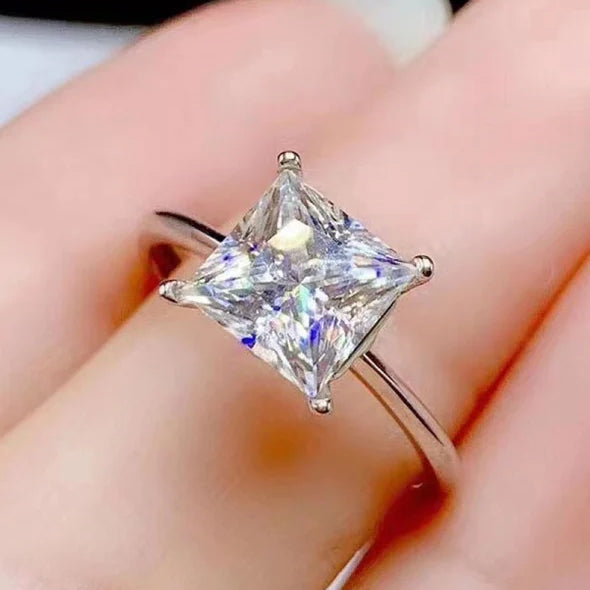
Complete Engagement Rings
Choose a ring with a diamond hand selected by a trained jeweler.

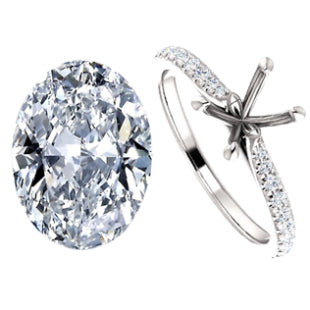

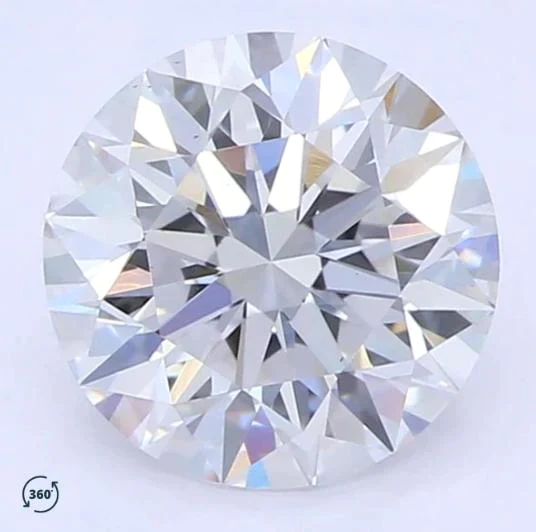
Loose Diamonds
Shop a huge selection of certified natural or lab-grown diamonds. On Sale Now!

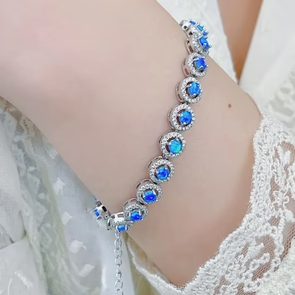
Fashion Jewelry
Fashion rings, necklaces, bracelets & earrings. Take your style to a new level.


Comments