
Asscher Cut vs Emerald Cut: Key Differences Explained


Emerald and Asscher cuts are both step-cut stunners, but their personalities couldn’t be more different. Emeralds elongate with sleek elegance, while Asschers flash fire in bold symmetry.
At a Glance:
- Emerald Cut: Rectangular shape, elongated look, calm “hall of mirrors” sparkle
- Asscher Cut: Square shape, deep facets, vintage style, more fire and flash
- Both: Step-cut designs that highlight clarity and clean geometry
At Mikado, we get that choosing between Asscher and emerald isn’t easy. That’s why we walk you through what actually matters, not just what Instagram says looks good.
Keep reading to learn how each shape wears, sparkles, and fits into your everyday life (and budget).
Asscher vs Emerald: Quick Snapshot for Busy Brides (and Grooms)

If you're choosing between these two cuts, you're likely already deep in the research spiral. So let’s cut through the noise and get right to the facts, with a side of style.
Side-by-Side Comparison
|
Feature |
Emerald Cut |
Asscher Cut |
|
Shape |
Rectangular with cropped corners |
Square with cropped corners |
|
Sparkle Style |
Subtle, linear flashes (“hall of mirrors”) |
More brilliance and internal fire |
|
Size Appearance |
Looks larger face-up due to the elongated shape |
Appears smaller; depth “hides” some carat weight |
|
Clarity Needs |
High clarity recommended (inclusions show easily) |
Very high clarity needed (even small flaws show) |
|
Style Vibe |
Sleek, minimalist, modern elegance |
Bold, vintage, Art Deco flair |
|
Budget Notes |
Better face-up value per carat |
May carry a premium due to rarity and depth |
Some people fall for the clean lines and elongated look of an emerald cut. Others want the intense sparkle packed into a compact, dramatic Asscher. Both are stunning; it just depends on what speaks to you when you picture the ring.
What Sets These Two Step Cuts Apart?

When clients ask me the difference between an Asscher and an emerald cut, I usually say: they’re siblings, not twins. Both are step cuts with clean lines, but they tell very different stories on the hand.
Key Differences in Shape
- Emerald Cut: Rectangular shape with long, stretched facets
- Asscher Cut: Square with deeply trimmed corners, almost forming an octagon
- Emerald elongates the fingers (great for long or slender hands)
- Asscher sits bolder (ideal for smaller hands)
Clients describe emeralds as graceful and fluid, while asschers feel more confident and centered, especially in vintage-style settings.
How They Sparkle: Flash vs Fire
Step cuts don’t sparkle like brilliant cuts. They create flash instead of fiery shimmer. But here’s the key difference between these two:
Emerald Cut:
- Produces a subtle, “hall of mirrors” effect
- Sparkle is calm, reflective, and hypnotic
- Loves natural light, perfect for daylight proposals
Asscher Cut:
- More internal fire thanks to a higher crown and layered facets
- Described by clients as “a chandelier in a box”
- Pops under indoor or evening lighting
If you’re often indoors or want that candlelight wow factor, Asscher wins. If you love elegance and movement in sunlight, emerald might be your match.
Which Cut Looks Bigger for Your Budget?

Carat weight is just part of the equation. What really matters is how big the diamond looks once it’s on your hand, and how far your budget stretches to achieve that effect.
Step cuts like emerald and Asscher are about elegance, not optical tricks. But even within this category, some shapes give you more visual impact for your money.
Face-Up Size & Shape Impact
- Emerald cuts tend to look larger because of their elongated shape and broad top surface (table).
- Asscher cuts are deeper and more compact, which hides more weight below the surface and limits finger coverage.
That’s why clients who want more “wow” for their money often lean toward emeralds.
Price Per Carat Considerations
Both cuts are more affordable per carat than round brilliants, which are still the priciest shape on the market. That’s a win right out of the gate, especially if you’re open to lab-grown options.
- Step cuts need higher clarity and color, since their large, open facets reveal flaws more easily.
- Asschers especially require cleaner stones, as their deep, centered facets act like a spotlight on inclusions.
- Lab-grown diamonds give you the freedom to size up without overspending, something we focus on at Mikado.
Mikado tip: Be cautious of “carat stuffing.” Some stones are cut deeper just to hit weight goals, which sacrifices face-up size and sparkle. We carefully review depth and table proportions so you're not paying for invisible weight.
Clarity, Color & Cut: What You Really Need to Know

Step cuts are brutally honest. Unlike brilliant cuts, they don’t bounce light in multiple directions to hide imperfections. That’s why I always tell clients: a perfect cut will shine, but any flaw or tint will show up clearly.
Why Step Cuts Show Everything
- Step cuts have large, open tables and broad, mirror-like facets
- They don’t mask inclusions or color the way brilliant cuts do
- What you see is what you get (good or bad)
Asscher cuts are especially unforgiving. Their deep faceting draws your eye straight to the center. Even a small inclusion can be distracting.
- We recommend VS2 clarity or better for most step-cut buyers
- Always review HD video or magnified images before committing
Emerald cuts are a little more forgiving when inclusions are off to the side, but they tend to show body color more easily, especially below G or H color. Their long, clear facets act like windows, making warmth more visible.
Finger & Hand Considerations (Yes, It Matters)

Your diamond doesn’t live in a vacuum; it lives on your hand. And how a cut wears from day to day can change how much you love it long-term. Some clients are all about maximizing visual size. Others prioritize how the ring feels, moves, and ages with them.
How They Wear
Let’s talk presence. Emerald cuts elongate the finger; it’s one of the main reasons clients choose them. The rectangular silhouette draws the eye vertically, giving a slimming effect and a little added elegance to longer fingers.
Asscher cuts are more compact and centered, which can create a bold, architectural feel on petite hands. Because of their square shape and elevated crown, they don’t stretch across the finger, but they do bring height and depth, which many find visually striking.
Comfort, Durability & Daily Wear
Now let’s get practical. Emerald cuts tend to sit lower on the hand, which makes them easier to wear if you’re active, work with your hands, or simply don’t want a ring that catches on clothing.
Asschers, by comparison, usually sit higher. The elevated crown can make them more prone to knocks or snags, especially in raised solitaire settings. They also require more precise prong protection because of the cropped corners and sharp facet angles.
Ultimately, if you want low-maintenance and durable, emerald might edge out. But if you’re after that high-profile drama and are willing to give it a little extra care? The Asscher’s worth every glance.
So, Emerald or Asscher?

Both cuts offer elegance, depth, and timeless appeal—but the right one depends on your hand, your style, and how you want your ring to feel day to day.
At Mikado Diamonds, we don’t just talk specs. We help you compare stones side by side, consider your lifestyle, and design a ring that feels as good as it looks.
Here’s your next step:
💍 Book a virtual consultation for expert, pressure-free guidance
You don’t need to settle or second-guess. We’ll help you get it right from the start.
Mikado Collection
Hand Crafted Engagement Rings, Loose Natural and Lab-Grown Diamonds and a Fashion Jewelry Collection of Rings, Necklaces, Bracelets, and Earrings.

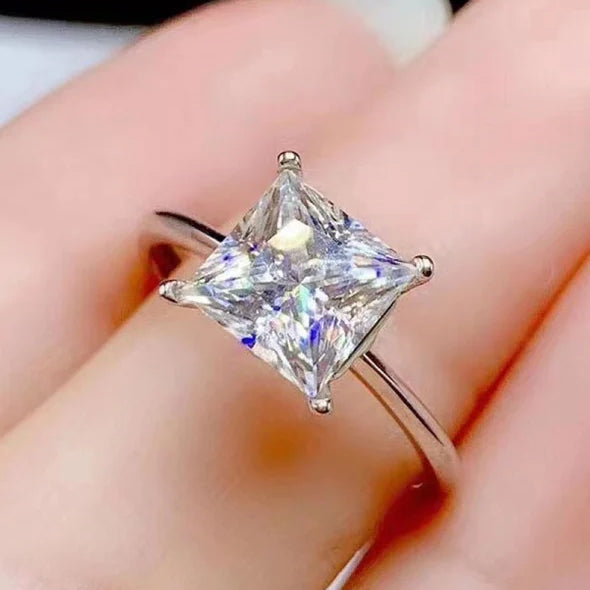
Complete Engagement Rings
Choose a ring with a diamond hand selected by a trained jeweler.


Loose Diamonds
Shop a huge selection of certified natural or lab-grown diamonds. On Sale Now!

Fashion Jewelry
Fashion rings, necklaces, bracelets & earrings. Take your style to a new level.


Comments