
4 vs 6 Prong Engagement Ring: Which Is Better?


A 4-prong ring offers more sparkle and a modern look, but less security. A 6-prong ring adds durability, ideal for larger stones or daily wear. Choose based on lifestyle, diamond shape, and design priorities.
When you’re picking a ring that’s meant to last forever, even the tiniest details, like how many prongs hold the diamond, matter more than you’d think. Quick facts:
- 4-prong = more sparkle, less security. Great for smaller diamonds, modern aesthetics, and those who love a clean, open look.
- 6-prong = more secure, slightly more metal. Ideal for larger diamonds, daily wear, and anyone who wants peace of mind.
- For round diamonds: both work, just depends on your style.
- For fancy shapes: it gets nuanced (especially with marquise, princess, or pear).
- Wedding band fit: 4-prong tends to nest easier than 6.
At Mikado Diamonds, we walk you through this choice one-on-one, showing real CAD renderings, sharing diamond-specific pros and cons, and helping you find a setting that fits your life, not just your diamond.
If you want to really understand why prong count is one of the most overlooked but impactful design decisions you’ll make, stick with us.
What Are Prongs, and Why Do They Matter So Much?
Prongs are the tiny metal arms that hold your diamond in place. They’re usually made of platinum or gold and come in different shapes, rounded, flat, clawed, or V-tipped depending on the diamond’s cut.
While they seem small, they do a heavy lift: they secure the diamond, influence how it looks from different angles, and even affect how your wedding band stacks.
4-Prong Settings: Sleek, Minimal, and Sparkly

The 4-prong setting is what we recommend when you want to show off the diamond with minimal distraction. Fewer prongs mean less metal, and that means more light can hit the stone from every angle, maximizing brilliance.
This is a favorite for round, cushion, and radiant shapes under 2 carats, especially if the goal is sparkle-first.
There’s also a visual benefit: four prongs give square or rectangular stones, like princess and emerald cuts, a sharp, clean profile that highlights their geometry.
6-Prong Settings: Balanced, Secure, and Timeless

The 6-prong setting has been around for over 125 years, made famous by Tiffany’s original solitaire. It’s stood the test of time for good reason: if one prong fails, five more are still holding the diamond in place.
That added security becomes even more valuable with larger diamonds, especially anything over 2 or 3 carats.
Another visual bonus? Six prongs subtly enhance the roundness of round brilliant cuts, creating a perfectly balanced appearance. With thin, well-crafted prongs, the extra metal doesn’t necessarily block light, it just adds symmetry.
At Mikado, we often design 6-prong rings with slender, tapered claws to keep things elegant rather than heavy.
Which Prong Setting Is Best for Your Diamond Shape?
There’s no one-size-fits-all answer here. The right prong count often depends on the shape of your diamond, and the shape of your life.
- Round: Both 4- and 6-prong work. We recommend based on lifestyle, stone size, and personal taste.
- Princess, Emerald, Asscher: These geometric cuts need strong corner protection, so 4-prong (with V-tips) is usually best. Six prongs can interfere with their symmetry.
- Oval, Pear, Marquise: These shapes often need 5–6 prongs, especially at pointed ends. A well-placed V-prong can prevent tip chipping.
- Cushion, Radiant: Both 4 and 6 work depending on carat weight, larger stones benefit from extra security.
- Fancy cuts like kite, lozenge, hexagonal: These are increasingly popular at Mikado, and each requires its own prong strategy. We never recommend blindly following templates here.
Many clients worry they’ll “choose the wrong one.” That’s exactly why we build every ring custom. You’ll see your diamond, in your shape, in your prong layout, before anything is finalized.
Your Lifestyle vs Your Setting: A Quick Match Guide
Here’s a simplified way to think about prong choices:
6-Prong:

- Active (sports, hands-on work)
- Large diamond (2.5 carats or more)
- Peace of mind, durability-first
4-Prong:

- Minimalist design preference
- Flush stacking with wedding band
If you’re someone who never takes your ring off, even at the gym or while cooking, six prongs will likely feel safer. If your job is less physical and you want the diamond to really shine without much metal in the way, four prongs may be your match.
And if you’re planning a full bridal set, don’t forget the stacking factor. 6-prongs may require a notched or contoured wedding band, while 4-prongs often sit flush with no problem.
Diamond Size Matters: What to Know About Carat and Prongs
One of the biggest shifts we’ve seen at Mikado over the last few years? Diamond sizes are getting bigger.
Thanks to the rise of lab-grown stones, what used to be considered “large”, like 2.5 or 3 carats, is now more common and more accessible. That changes how we think about prong security.
For diamonds over 2 carats, we usually steer clients toward 6 prongs. Not because 4 can’t hold it, but because the peace of mind is worth it.
You don’t want to be second-guessing your setting every time you bump your hand. That’s especially true for engagement rings worn daily.
If your stone is under 1 carat, 4 prongs are often perfectly fine, as long as the craftsmanship is solid. And for anything in between? We look at shape, ring design, and lifestyle to make the call together.
Thinking of Going Custom? This Is Where You Start

If you’re still unsure whether 4 or 6 prongs are right for you, that’s completely normal. Most clients don’t walk in knowing the answer.
That’s why every ring we create at Mikado starts with a conversation, not a sales pitch.
We take the time to understand your diamond, your lifestyle, your preferences, and your vision for how the ring should feel on your hand and in your story.
Then we show you real options: CAD renderings, metal pairings, stacking layouts, even how the prongs will look against the band.
Most designs are ready within 3–5 weeks. We don’t cut corners, but we also don’t drag out the process with unnecessary steps. We believe this should feel exciting, not exhausting.
If you’re ready to design a ring that looks as good as it feels, secure, intentional, and one-of-a-kind, book a consultation. We’ll help you build something beautiful from the prongs up.
Mikado Collection
Hand Crafted Engagement Rings, Loose Natural and Lab-Grown Diamonds and a Fashion Jewelry Collection of Rings, Necklaces, Bracelets, and Earrings.

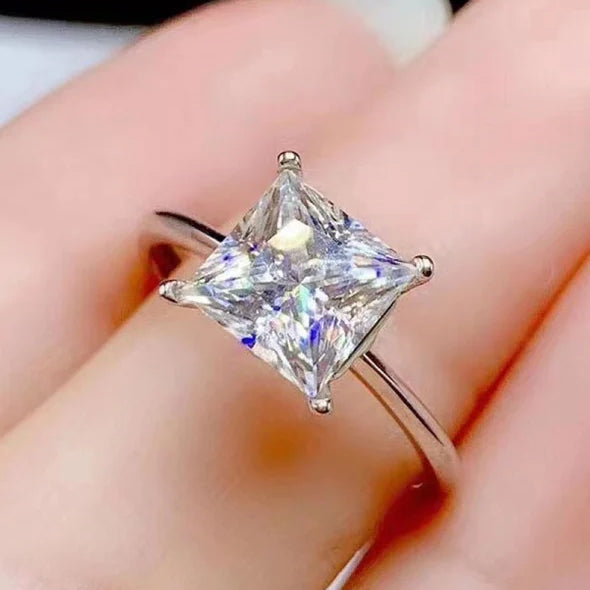
Complete Engagement Rings
Choose a ring with a diamond hand selected by a trained jeweler.

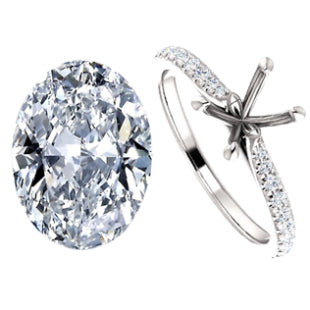

Loose Diamonds
Shop a huge selection of certified natural or lab-grown diamonds. On Sale Now!

Fashion Jewelry
Fashion rings, necklaces, bracelets & earrings. Take your style to a new level.


Comments